
Start with feeding biology
Cell profile and digestibility matter. A useful hatchery alga is not automatically suitable for every reef animal.
PodDrop / culture comparison
Different cells do different jobs. Compare marine and freshwater cultures, feeding context and cultivation needs.
Read this first
Culture color is a browsing aid, not a nutrient or density test. This comparison is not a product-specific biochemical assay.
Cell profile and digestibility matter. A useful hatchery alga is not automatically suitable for every reef animal.
Keep Isochrysis and T-ISO distinct. A Japanese strain designation does not establish a species identity.
Check salinity and nutrient requirements. Many diatoms need silicate; Phaeodactylum is a notable exception.
The culture directory
Select up to three profiles for a focused side-by-side table. All profiles remain available without JavaScript.
15 culture profiles
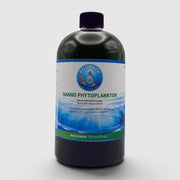
Green marine microalgae
A green-algae option for compatible live-feed and aquarium routines.
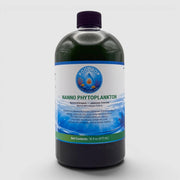
Green marine culture
A distinct culture choice where this supplied strain fits the feeding plan.
“Japanese Strain” is a culture designation, not a species determination. No assumed species-specific assay or cell-size claim.
References: 6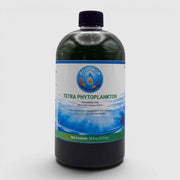
Green flagellate
Live-feed diets where the consumer can ingest this larger cell profile.
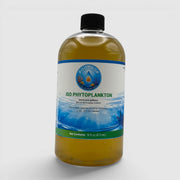
Golden-brown haptophyte
Compatible bivalve and copepod feeding programs.
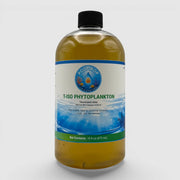
Golden-brown haptophyte
Small-cell marine live-feed and hatchery diet components.
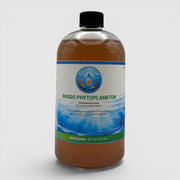
Red-brown cryptophyte
A cryptophyte component in compatible copepod and hatchery diets.
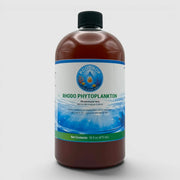
Red-brown cryptophyte
A separate cryptophyte option for defined live-feed cultures.
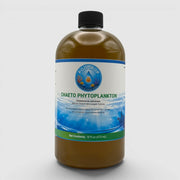
Golden-brown diatom
Diatom-containing bivalve and other hatchery feeding programs.
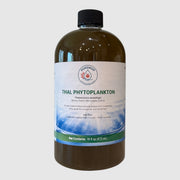
Golden-brown centric diatom
Larger-cell diatom components in compatible live-feed protocols.
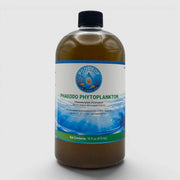
Shape-variable diatom
Diatom culture and research; feeding only in validated applications.
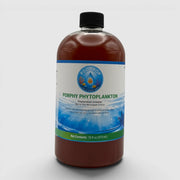
Red microalga
Red-microalgae diversity and specialized culture applications.
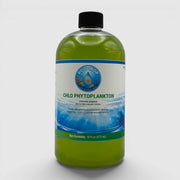
Freshwater green microalga
Freshwater culture and compatible freshwater live-feed systems.
Green flagellate · reference profile
Comparison with other green flagellates in hatchery diets.
Diatom · reference profile
Diatom-containing live-feed programs and species comparison.
Haptophyte · reference profile
Comparison of small flagellates used in bivalve hatchery diets.
On a small screen, scroll the table sideways. Species names stay visible.
| Culture | Water type | Cell profile | Culture medium | Consider for / important context | Explore |
|---|---|---|---|---|---|
| Nannochloropsis oculataGreen marine microalgae | Marine | Small, nonmotile cells | Marine algal medium; no added silicate requirement | A green-algae option for compatible live-feed and aquarium routines.Not a universal sole diet for all copepods or bivalve larvae. Match the consumer and its nutritional needs. | View culture : Nannochloropsis oculata Species guide: Nannochloropsis oculata |
| Nannochloropsis sp. Japanese StrainGreen marine culture | Marine; confirm supplied culture | Small, nonmotile cell profile | Follow the supplied culture protocol | A distinct culture choice where this supplied strain fits the feeding plan.“Japanese Strain” is a culture designation, not a species determination. No assumed species-specific assay or cell-size claim. | View culture : Nannochloropsis sp. Japanese Strain Species guide: Nannochloropsis sp. Japanese Strain |
| Tetraselmis chuiGreen flagellate | Marine | Relatively larger, motile cells | Marine algal medium; no added silicate requirement | Live-feed diets where the consumer can ingest this larger cell profile.Not interchangeable, cell for cell, with smaller algae. Consumer size and diet composition are important. | View culture : Tetraselmis chui Species guide: Tetraselmis chui |
| Isochrysis galbanaGolden-brown haptophyte | Marine | Small, motile cells | Marine algal medium; no added silicate requirement | Compatible bivalve and copepod feeding programs.Keep distinct from Tisochrysis lutea (T-ISO). Confirm the identity specified in a hatchery or research protocol. | View culture : Isochrysis galbana Species guide: Isochrysis galbana |
| Tisochrysis lutea (T-ISO)Golden-brown haptophyte | Marine | Small, motile cells | Marine algal medium; no added silicate requirement | Small-cell marine live-feed and hatchery diet components.T-ISO is not a synonym for every Isochrysis culture. Storage and growth conditions remain culture-specific. | View culture : Tisochrysis lutea (T-ISO) Species guide: Tisochrysis lutea (T-ISO) |
| Rhodomonas salinaRed-brown cryptophyte | Marine | Motile cryptophyte cells | Marine algal medium; manage pH and nutrients | A cryptophyte component in compatible copepod and hatchery diets.Red color does not certify nutrient content. Growth and biochemical composition depend on culture conditions. | View culture : Rhodomonas salina Species guide: Rhodomonas salina |
| Rhodomonas lensRed-brown cryptophyte | Marine | Motile cryptophyte cells | Follow the species-specific medium and handling protocol | A separate cryptophyte option for defined live-feed cultures.Do not substitute for R. salina automatically. Use the named culture required by the feeding protocol. | View culture : Rhodomonas lens Species guide: Rhodomonas lens |
| Chaetoceros calcitransGolden-brown diatom | Marine | Small diatom cells with setae | Marine diatom medium with silicate | Diatom-containing bivalve and other hatchery feeding programs.Cell-body size does not include setae or chains. Use an appropriate silicate-supplemented growth medium. | View culture : Chaetoceros calcitrans Species guide: Chaetoceros calcitrans |
| Thalassiosira weissflogiiGolden-brown centric diatom | Marine / brackish culture context | Relatively larger, nonmotile diatom cells | Diatom medium with silicate; confirm salinity | Larger-cell diatom components in compatible live-feed protocols.Confirm that the consumer can ingest the cells. Larger cells are not a direct substitute for smaller flagellates. | View culture : Thalassiosira weissflogii Species guide: Thalassiosira weissflogii |
| Phaeodactylum tricornutumShape-variable diatom | Marine | Oval, fusiform or triradiate forms | Can grow without added silicate; follow strain medium | Diatom culture and research; feeding only in validated applications.Unlike many diatoms, it has no obligate silicon requirement for growth. Do not assume suitability as a sole bivalve-larval diet. | View culture : Phaeodactylum tricornutum Species guide: Phaeodactylum tricornutum |
| Porphyridium cruentumRed microalga | Marine culture context | Rounded, nonmotile cells | Follow the supplied marine culture protocol | Red-microalgae diversity and specialized culture applications.Not a cryptophyte and not interchangeable with Rhodomonas. Verify consumer suitability before using as a sole feed. | View culture : Porphyridium cruentum Species guide: Porphyridium cruentum |
| Chlorella vulgarisFreshwater green microalga | Freshwater | Small, nonmotile green cells | Freshwater medium; do not assume seawater tolerance | Freshwater culture and compatible freshwater live-feed systems.Not a default reef-tank phytoplankton choice. Keep the freshwater and marine workflows separate. | View culture : Chlorella vulgaris Species guide: Chlorella vulgaris |
| Tetraselmis suecicaGreen flagellate · reference profile | Marine | Relatively larger, motile cells | Marine algal medium; no added silicate requirement | Comparison with other green flagellates in hatchery diets.Reference profile: a guide link does not mean this culture is currently for sale. | Species guide: Tetraselmis suecica |
| Chaetoceros gracilisDiatom · reference profile | Marine | Diatom cells with setae | Marine diatom medium with silicate | Diatom-containing live-feed programs and species comparison.Reference profile: confirm identity and supply before designing a production diet. | Species guide: Chaetoceros gracilis |
| Pavlova lutheriHaptophyte · reference profile | Marine | Small, motile flagellate cells | Follow the strain-specific marine medium | Comparison of small flagellates used in bivalve hatchery diets.Reference profile, not a live stock listing. Use the named culture required by your protocol. | Species guide: Pavlova lutheri |
Try a broader search or reset the filters to see the complete comparison.
Choose a single identified culture for controlled propagation or a protocol. A multi-species blend may suit a feeding routine, but maintaining every component together through repeated culture transfers is not assured.
Explore phytoplankton cultures & blendsYour next step
The sizing guide considers aquarium volume and your goal. For dedicated cultures or larviculture, use a species-specific protocol.
These comparisons are qualitative decision aids, not laboratory measurements of the bottles being sold. Biological traits can vary with strain, life stage and culture conditions. Suggested applications are editorial guidance; they are not promises of establishment, survival, growth, coral recovery or a complete diet.
Product identity, price and availability come from the current product listing. Check that listing and its handling instructions before purchasing. A reference-only profile does not indicate a product is available for sale. No claim of axenic, sterile or pathogen-free cultures is implied.
Guide prepared September 2026. For a hatchery or research protocol, confirm the supplied culture identity and stage-specific requirements directly with PodDrop.