Live copepod life stages in petri dishes showing nauplii, juveniles, and adults for aquaculture

Cultured in Arizona • Species-specific

Live copepod cultures

Select by habitat, movement, prey profile, and application—from reef biodiversity to hatchery, research, and production programs.

8 live-culture products

Species-level selectionChoose a defined culture rather than a generalized mix
Cultured in-houseDirect oversight from culture through packing
Insulated live shippingPacked for the selected live-delivery service
Receiving supportClear care guidance and a documented live-arrival policy

Start with habitat and use

Find the copepod profile that fits your system

These groupings are a practical starting point. Review the individual product page and species sheet before ordering, especially for specialized feeding, culture, or research use.

Protected surfaces

Benthic and structure-associated

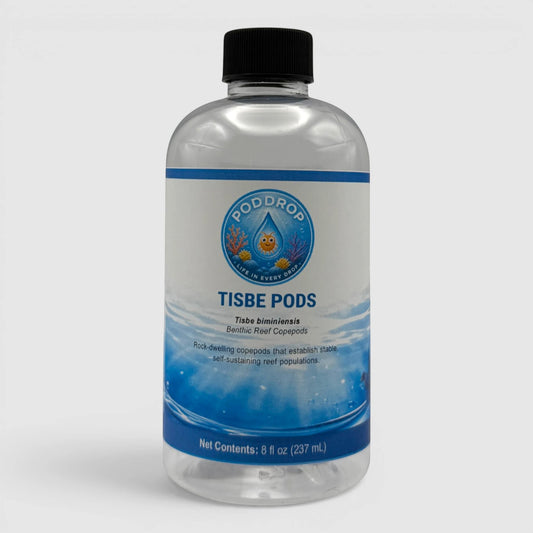
Tisbe is commonly selected when rockwork, sand, media, and refugium surfaces are central to the plan.

Study Tisbe biminiensis
Active movement

Versatile and mobile

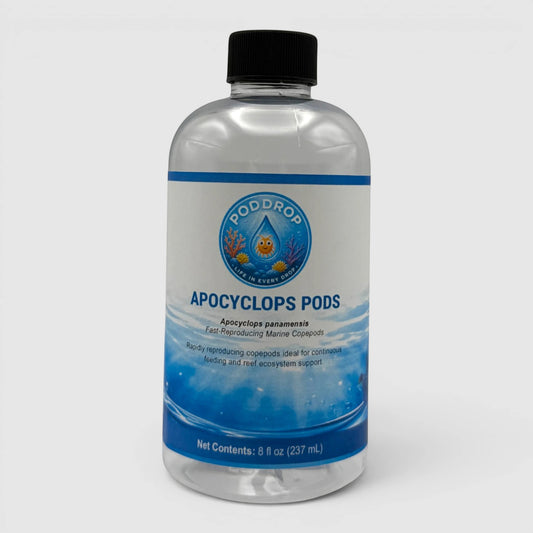
Apocyclops offers an active profile used across reef, culture, and live-feed applications.

Study Apocyclops panamensis
Larger and visible

Tigriopus species

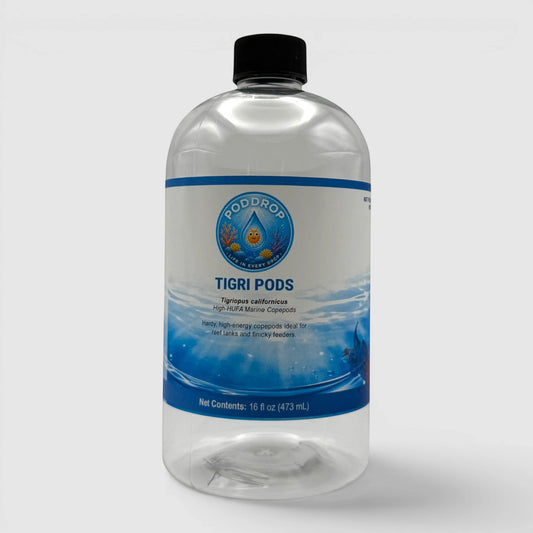
Tigriopus species are often considered when a larger, more visible copepod is appropriate for the intended application.

Study Tigriopus californicus
Pelagic and specialized

Fine-prey and water-column species

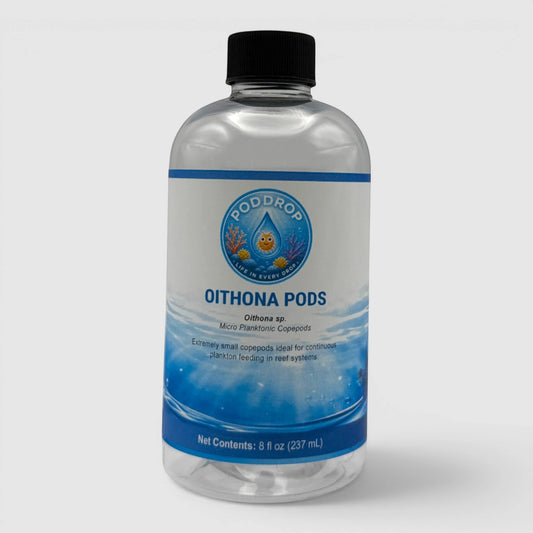
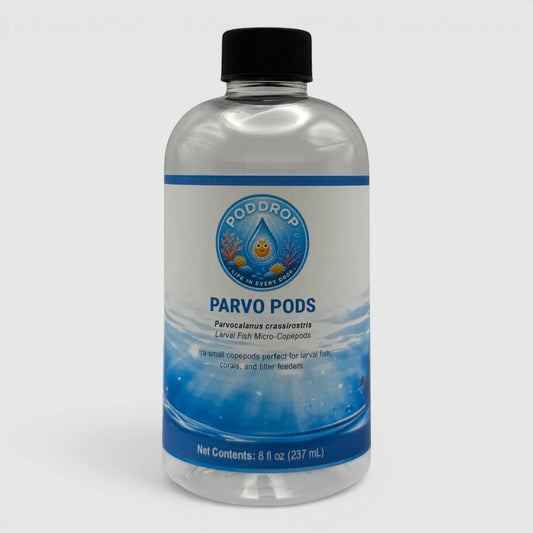
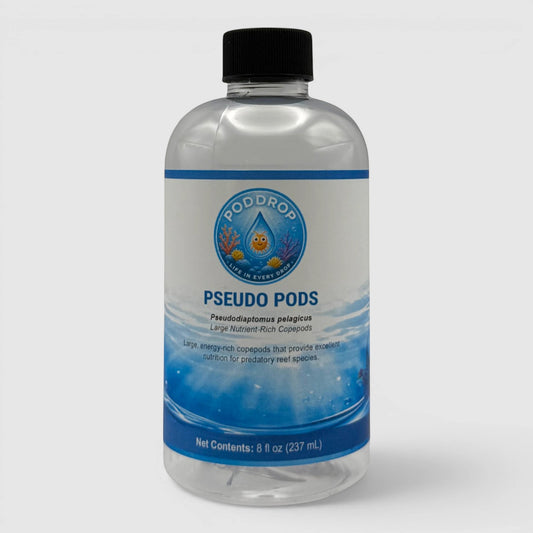
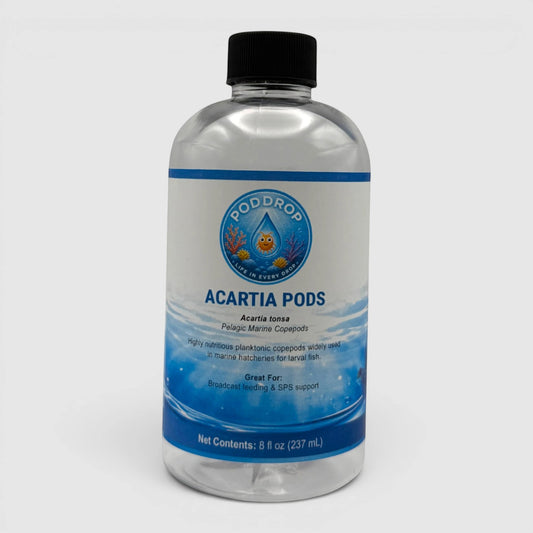
Acartia, Oithona, Parvocalanus, and Pseudodiaptomus support more specialized prey-size, water-column, hatchery, and research decisions.

Open the species directory

Compare before you buy

Four details that make species selection easier

A more visible copepod is not automatically a better copepod. Match the biology and handling requirements to the job.

01

Habitat and behavior

Consider whether the organism is primarily associated with surfaces, actively moving through the water, or selected for a pelagic application.

02

Relative prey profile

Adults, nauplii, and intermediate life stages differ. Use the product details and species sheet when prey size is important.

03

Aquarium or culture goal

Reef seeding, targeted feeding, hatchery production, biodiversity, and research programs do not always call for the same species.

04

Handling requirements

Check the product-specific receiving, storage, acclimation, and feeding guidance before delivery day.

A better selection process

From system goal to confident introduction

Use a simple decision sequence instead of choosing from the name or photo alone.

01

Define the role

Decide whether the priority is reef seeding, prey availability, culture, biodiversity, or a professional application.

02

Compare species

Review habitat, movement, life stages, and product-specific handling information.

03

Prepare for delivery

Track the shipment, receive it promptly, and have the destination system ready.

04

Follow the product protocol

Use the instructions for that culture and observe the system rather than assuming a universal dosing routine.

SINGLE-SPECIES COPEPOD FAQ

Questions before choosing a species

Why choose a single species instead of a blend?

A single-species culture gives you a defined organism for a specific habitat, prey profile, culture objective, or research need. A blend is useful when broader ecological coverage and convenience are the priority.

Which species is best for rockwork and refugia?

Tisbe is commonly selected for its association with protected surfaces such as rockwork, sand, media, and refugia. Review the Tisbe product details to confirm it fits your system and livestock.

When should I consider Apocyclops?

Apocyclops is an active and versatile option used across aquarium and live-feed applications. It may be useful when movement through the system and a range of life stages are part of the selection criteria.

When should I consider Tigriopus?

Tigriopus species are larger and easier to see than many smaller copepods. They may suit applications where a more visible prey item is desired, but size alone should not determine the choice.

Can I add more than one single species?

Yes, customers may use more than one species, but survival, visibility, and persistence depend on the aquarium, predators, habitat, food availability, timing, and husbandry. Establishment is not guaranteed.

How much should I add?

Use the product page and label as the starting point. Tank volume matters, but so do stocking, filtration, habitat, predators, and whether the goal is a one-time introduction or a repeated feeding program.

Where can I read the detailed species sheets?

Open the PodDrop Knowledge Hub for species-specific biology, behavior, application context, receiving considerations, and links to available products.

PodDrop Knowledge Hub

Go deeper than the product card

The Knowledge Hub includes detailed copepod species sheets so you can compare biology, habitat, life stages, applications, and handling before you choose.

VERIFIED CUSTOMER FEEDBACK

What customers say about PodDrop