
Surface or water column?
Benthic means surface-associated. Pelagic means water-column living. Some cultures use both zones.
PodDrop / culture comparison
Habitat, life stage and feeding role—side by side. Find the right starting point for your reef or live-feed program.
Read this first
Relative sizes are qualitative, not measured bottle specifications. Obtain stage-specific measurements for hatchery work.
Benthic means surface-associated. Pelagic means water-column living. Some cultures use both zones.
Relative adult size is only a browsing guide. Larviculture needs stage-specific prey-size information.
Predation, food and protected habitat determine what persists. A bottle is not a permanent feeding guarantee.
The culture directory
Select up to three profiles for a focused side-by-side table. All profiles remain available without JavaScript.
8 culture profiles
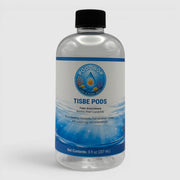
Surface-associated harpacticoid
Rockwork, substrate and protected refugium seeding.
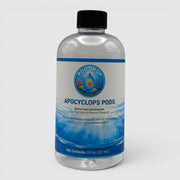
Active cyclopoid
A versatile option for reef feeding and a separate copepod culture.
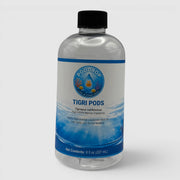
Larger harpacticoid
Visible live prey and dedicated culture projects.
Large adults are not the same as fine first-feeding prey. Reef persistence varies with predation and habitat.
References: 1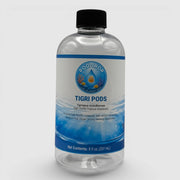
Thai harpacticoid culture
An alternative harpacticoid culture for targeted live feeding.
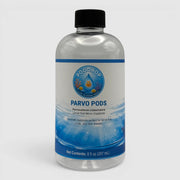
Small pelagic calanoid
Specialist larviculture and fine-prey feeding programs.
Match naupliar size to the target larva. Requires a dedicated feeding, water-quality and harvest plan.
References: 1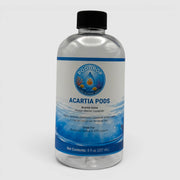
Pelagic calanoid
Defined water-column feeding, larviculture and research.
Specify life stage and culture requirements. A mixed-stage bottle is not a standardized nauplii-only feed.
References: 1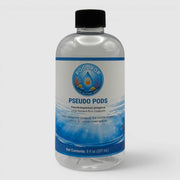
Calanoid with mixed habitat use
Progressive prey-size and specialized live-feed programs.
Habitat use varies with life stage. Do not treat adults as exclusively open-water swimmers.
References: 1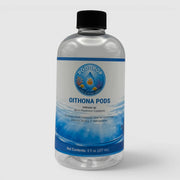
Small cyclopoid
Specialized fine-prey and marine larviculture applications.
On a small screen, scroll the table sideways. Species names stay visible.
| Culture | Habitat | Relative size | Feeding approach | Consider for / important context | Explore |
|---|---|---|---|---|---|
| Tisbe biminiensisSurface-associated harpacticoid | Benthic / surface-associated | Small adults; much smaller nauplii | Microalgae and surface-associated food | Rockwork, substrate and protected refugium seeding.Provide protected surface area. Introduction does not guarantee establishment or enough prey for a mandarin. | View culture : Tisbe biminiensis Species guide: Tisbe biminiensis |
| Apocyclops panamensisActive cyclopoid | Water column and surfaces | Small-to-medium adult profile | Species-appropriate microalgal diet | A versatile option for reef feeding and a separate copepod culture.Feeding and culture performance depend on the diet. Do not assume all green phytoplankton are interchangeable. | View culture : Apocyclops panamensis Species guide: Apocyclops panamensis |
| Tigriopus californicusLarger harpacticoid | Surface-associated; swims in bursts | Larger, easier-to-observe adults | Microalgae and suitable supplemental food | Visible live prey and dedicated culture projects.Large adults are not the same as fine first-feeding prey. Reef persistence varies with predation and habitat. | View culture : Tigriopus californicus Species guide: Tigriopus californicus |
| Tigriopus sirindhornaeThai harpacticoid culture | Surface-associated; active bursts | Larger adult prey profile | Confirm the current culture-feeding protocol | An alternative harpacticoid culture for targeted live feeding.Use the product’s supplied identity and culture instructions. Do not assume it has identical tolerances to T. californicus. | View culture : Tigriopus sirindhornae Species guide: Tigriopus sirindhornae |
| Parvocalanus crassirostrisSmall pelagic calanoid | Pelagic / water column | Small adults; fine naupliar prey | Appropriate small live microalgae | Specialist larviculture and fine-prey feeding programs.Match naupliar size to the target larva. Requires a dedicated feeding, water-quality and harvest plan. | View culture : Parvocalanus crassirostris Species guide: Parvocalanus crassirostris |
| Acartia tonsaPelagic calanoid | Pelagic / water column | Adults larger than their nauplii | Live microalgae suited to the protocol | Defined water-column feeding, larviculture and research.Specify life stage and culture requirements. A mixed-stage bottle is not a standardized nauplii-only feed. | View culture : Acartia tonsa Species guide: Acartia tonsa |
| Pseudodiaptomus pelagicusCalanoid with mixed habitat use | Water column / near-bottom habitat | Larger calanoid adult profile | A suitable microalgal feeding program | Progressive prey-size and specialized live-feed programs.Habitat use varies with life stage. Do not treat adults as exclusively open-water swimmers. | View culture : Pseudodiaptomus pelagicus Species guide: Pseudodiaptomus pelagicus |
| Oithona colcarvaSmall cyclopoid | Planktonic / water-column activity | Small adults; very fine naupliar prey | A validated, species-specific mixed diet | Specialized fine-prey and marine larviculture applications.Small size alone does not prove suitability for every coral or fish larva. Feed selection matters. | View culture : Oithona colcarva Species guide: Oithona colcarva |
Try a broader search or reset the filters to see the complete comparison.
A copepod blend combines species in one introduction. It does not guarantee that every included species will establish or remain in the same proportions.
Explore copepod blendsYour next step
The sizing guide considers aquarium volume and your goal. For dedicated cultures or larviculture, use a species-specific protocol.
These comparisons are qualitative decision aids, not laboratory measurements of the bottles being sold. Biological traits can vary with strain, life stage and culture conditions. Suggested applications are editorial guidance; they are not promises of establishment, survival, growth, coral recovery or a complete diet.
Product identity, price and availability come from the current product listing. Check that listing and its handling instructions before purchasing. A reference-only profile does not indicate a product is available for sale. No claim of axenic, sterile or pathogen-free cultures is implied.
Guide prepared September 2026. For a hatchery or research protocol, confirm the supplied culture identity and stage-specific requirements directly with PodDrop.