

Understanding the Importance of Live Plankton
Live plankton might be nearly invisible to the naked eye, but they rule the oceans in ways that few people realize. More surprising is the fact that phytoplankton alone produce about 50 percent of the oxygen you breathe. Most people imagine whales or dolphins as the ocean’s main stars, yet the real heavy lifters are these tiny drifters that keep entire marine worlds alive.
Table of Contents
- What Are Live Plankton And Their Types?
- Why Live Plankton Are Crucial For Coral Reefs
- How Live Plankton Support Marine Ecosystems
- The Role Of Live Plankton In Coral Farming Practices
Quick Summary
| Takeaway | Explanation |
|---|---|
| Plankton are essential for marine food webs. | They form the foundational base of marine ecosystems, supporting larger species and ecological balance. |
| Phytoplankton generate significant oxygen. | Contributing about 50% of Earth’s oxygen, they play a crucial role in atmospheric health. |
| Zooplankton provide vital nutrients to marine life. | Acting as a protein source, they sustain fish and other marine creatures, enhancing biodiversity. |
| Coral reefs depend on live plankton for growth. | Plankton deliver essential nutrients and energy, supporting coral health and resilience. |
| Understanding plankton aids in coral farming. | Knowledge of plankton’s roles can improve techniques in aquaculture, enhancing coral cultivation success. |
What are Live Plankton and Their Types?
Live plankton represent a fascinating and critical component of marine ecosystems, serving as foundational organisms that support complex underwater food webs and global ecological processes. National Oceanic and Atmospheric Administration defines plankton as microscopic organisms drifting in water, unable to swim against currents, yet playing an outsized role in marine environments.
Types of Plankton
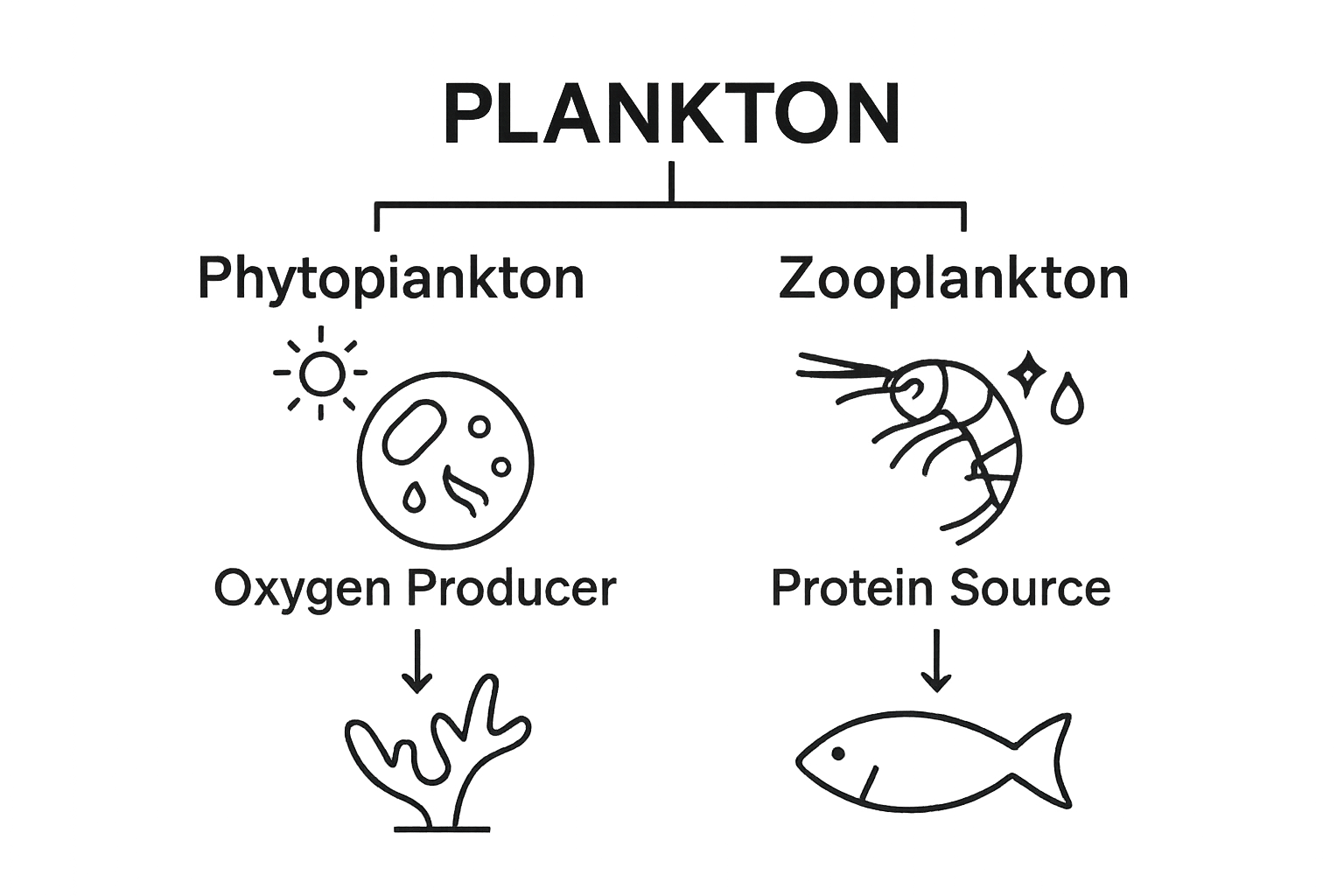
Plankton are broadly categorized into two primary groups: phytoplankton and zooplankton. Each type performs unique functions within marine ecosystems
 :
:
- Phytoplankton: Plant-like organisms that perform photosynthesis, generating approximately 50% of the world’s oxygen
- Zooplankton: Animal-like organisms including tiny crustaceans, larvae, and microscopic animals that consume phytoplankton
Ecological Significance
These microscopic organisms are more than simple drifters. They represent the foundational base of marine food chains, providing critical nutrition for larger marine species. Phytoplankton generate oxygen through photosynthesis, while zooplankton serve as essential protein sources for fish, whales, and other marine creatures.
Understanding live plankton requires recognizing their incredible diversity and adaptability. From single-celled algae to complex larvae stages, these organisms demonstrate remarkable resilience in various marine environments. Their size might be minuscule, but their collective impact on global ecosystems is profound.
Below is a table summarizing the key characteristics and ecological roles of the main types of live plankton mentioned in the article for easier comparison and understanding.
| Type of Plankton | Description | Key Role in Ecosystem |
|---|---|---|
| Phytoplankton | Plant-like, photosynthetic organisms | Generate oxygen, base of food web |
| Zooplankton | Animal-like, consume phytoplankton | Provide protein, support higher life |
| Bacterioplankton | Microscopic bacteria in water | Facilitate nutrient cycling, decomposition |
| Zooxanthellae | Symbiotic algae living in coral tissues | Supply energy to corals via photosynthesis |
For aquarium enthusiasts interested in maintaining thriving marine environments, comprehending the nuanced roles of different plankton types becomes crucial for supporting robust underwater habitats.
Why Live Plankton are Crucial for Coral Reefs
Coral reefs represent complex marine ecosystems where live plankton perform critical functions that sustain life and maintain environmental balance. National Oceanic and Atmospheric Administration highlights the intricate relationship between plankton and coral reef survival, demonstrating how these microscopic organisms are fundamental to underwater ecosystem health.
Nutritional Foundation
Live plankton serve as the primary nutritional source for coral reefs, providing essential nutrients and energy through multiple mechanisms:
- Phytoplankton: Supply direct nutritional resources through photosynthesis
- Zooplankton: Deliver protein and micronutrients necessary for coral growth
- Bacterioplankton: Facilitate nutrient cycling and decomposition processes
Symbiotic Interactions
The relationship between plankton and coral reefs extends beyond simple nutrition. Zooxanthellae, a specific type of symbiotic algae living within coral tissues, represent a profound example of plankton’s importance. These microscopic organisms provide corals with up to 90% of their required energy through photosynthesis, enabling reef-building processes and supporting marine biodiversity.
Ecosystem Resilience
Plankton contribute significantly to coral reef ecosystem resilience by maintaining intricate food webs and supporting environmental adaptation. Their rapid reproduction and metabolic processes help coral reefs respond to changing environmental conditions, making them crucial buffers against climate fluctuations.
This table outlines the major contributions of live plankton to coral reef ecosystems, showing how each aspect supports coral health and resilience.
| Contribution | Description | Benefit to Coral Reefs |
|---|---|---|
| Nutritional Support | Provides essential nutrients, proteins, and micronutrients | Fuels coral growth and development |
| Symbiotic Interaction | Zooxanthellae provide energy via photosynthesis | Enables reef building and resilience |
| Ecosystem Resilience | Supports food webs, adapts to environmental changes quickly | Maintains balance during fluctuations |
| Nutrient Cycling | Bacterioplankton decompose and recycle nutrients | Supports ongoing coral metabolism |
Exploring the hidden dynamics of marine ecosystems reveals the extraordinary complexity of these microscopic organisms and their paramount role in sustaining underwater life. By understanding plankton’s multifaceted contributions, marine enthusiasts and conservationists can better appreciate the delicate balance that supports our planet’s vibrant coral reef systems.
How Live Plankton Support Marine Ecosystems
Live plankton represent a foundational element of marine ecosystems, functioning as the critical base that sustains complex food webs and global environmental processes. National Oceanic and Atmospheric Administration emphasizes their pivotal role in maintaining marine biodiversity and ecological balance.
Primary Production and Oxygen Generation
Phytoplankton drive marine ecosystem productivity through photosynthesis, generating an astounding amount of global oxygen and organic matter. Their remarkable capabilities include:
- Oxygen Production: Generating approximately 50% of the Earth’s atmospheric oxygen
- Carbon Sequestration: Absorbing significant amounts of carbon dioxide during photosynthesis
- Nutrient Cycling: Transforming inorganic nutrients into organic compounds
Food Web Dynamics
Plankton serve as the fundamental nutritional platform supporting marine food chains. Zooplankton transfer energy from phytoplankton to larger marine organisms, creating intricate interdependencies. Small organisms like copepods become crucial protein sources for fish, marine mammals, and seabirds, demonstrating the expansive impact of these microscopic life forms.
Ecosystem Resilience and Adaptation
The rapid reproduction and metabolic diversity of plankton enable marine ecosystems to respond dynamically to environmental changes. Their genetic plasticity allows them to adapt quickly to shifting temperatures, ocean chemistry, and nutrient availability, making them essential indicators of marine ecosystem health.
Explore strategies for maintaining healthy marine microorganisms to understand the delicate balance that sustains these incredible underwater communities. By recognizing plankton’s multifaceted contributions, we gain deeper insights into the complex and interconnected nature of marine life.
The Role of Live Plankton in Coral Farming Practices
Coral farming represents a sophisticated scientific process where live plankton play a fundamental role in sustaining and nurturing marine ecosystems. Frontiers in Marine Science highlights the critical contributions of plankton in supporting coral growth, reproduction, and overall ecosystem health.
Nutritional Support and Larval Development
Live plankton serve as essential nutritional sources for coral larvae and juvenile stages, providing complex nutrients that artificial diets cannot replicate. Their contributions include:
- Fatty Acid Delivery: Supplying critical omega-3 and omega-6 fatty acids
- Protein Supplementation: Providing high-quality amino acid profiles
- Micronutrient Enrichment: Delivering trace minerals necessary for coral growth
Symbiotic Ecosystem Management
In coral farming environments, plankton facilitate intricate symbiotic relationships. Zooxanthellae algae living within coral tissues depend on plankton-driven nutrient cycles, creating a delicate balance that supports coral metabolism and resilience. These microscopic organisms help regulate environmental conditions, enabling corals to adapt to changing marine landscapes.
Genetic Diversity and Reproduction
Plankton contribute significantly to genetic diversity in coral farming by supporting complex reproductive strategies. Their rapid reproduction and genetic variability allow corals to develop adaptive mechanisms, enhancing survival potential in challenging marine conditions.
Discover advanced strategies for maintaining marine microorganism populations to understand the sophisticated interactions that drive successful coral cultivation. By recognizing plankton’s multifaceted roles, researchers and aquaculture professionals can develop more effective coral farming techniques that mimic natural marine ecosystem dynamics.
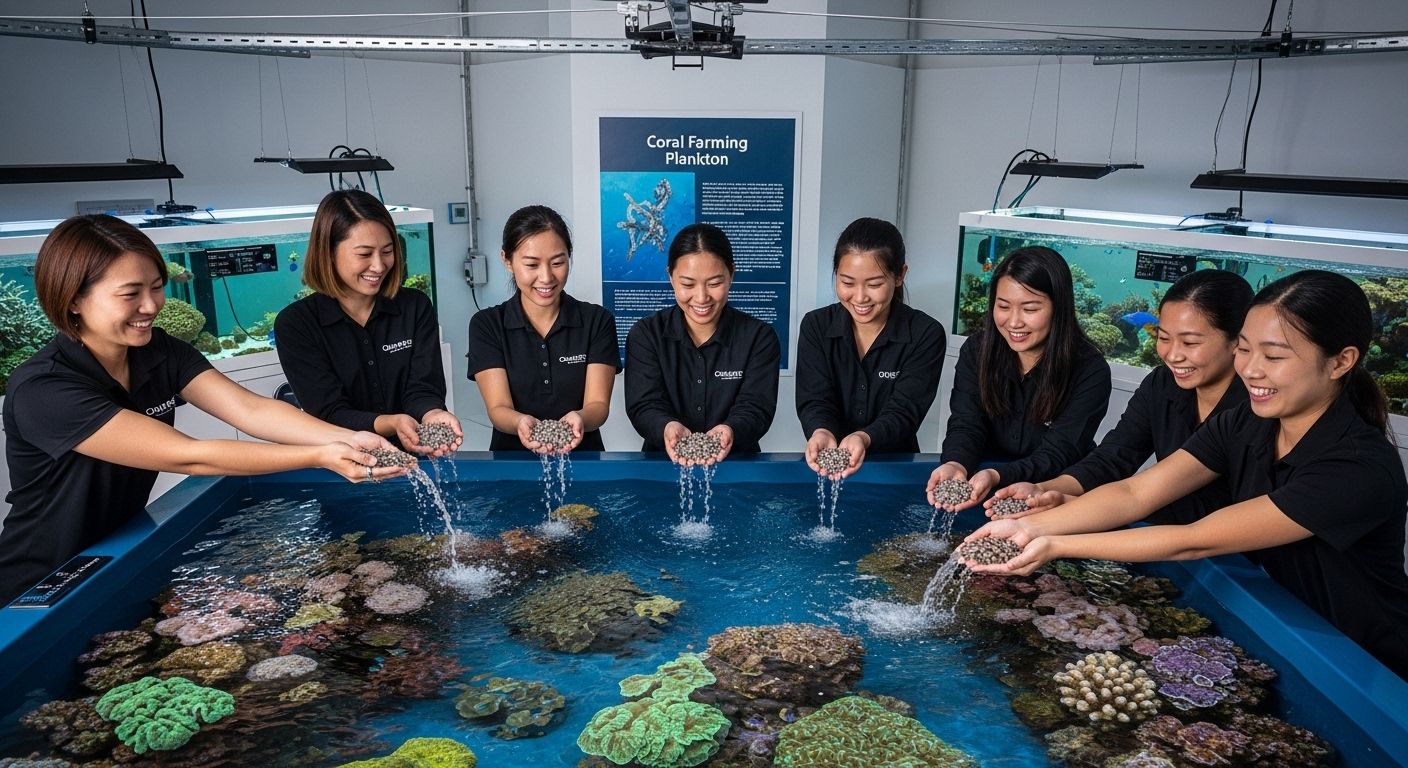
Build a Stronger Reef with Live Plankton Solutions
As you have learned, understanding plankton’s vital role means knowing that your reef’s health and balance depend on these tiny yet powerful organisms. Many aquarium keepers struggle to keep their tanks naturally vibrant because their marine life lacks access to truly live, nutrient-packed plankton found in the wild. Supporting your corals and filter feeders with live nutrition sets the stage for success.
Give your reef the advantage of live phytoplankton nutrition from PodDrop and see your marine ecosystem thrive.
Bring the benefits of a diverse plankton community into your own aquarium. Choose from our premium single species copepods for targeted feeding or explore our balanced copepod blends for complete live nutrition. Visit PodDrop today to make your reef healthier and more resilient. Act now and give your marine life the foundation they need to flourish.
Frequently Asked Questions
What is live plankton, and why are they important?
Live plankton are microscopic organisms that drift in water and serve as critical components of marine ecosystems. They are foundational to food webs, provide oxygen through photosynthesis, and support marine biodiversity.
What are the two main types of plankton?
The two primary types of plankton are phytoplankton, which are plant-like and perform photosynthesis, and zooplankton, which are animal-like organisms that consume phytoplankton.
How do live plankton contribute to coral reef ecosystems?
Live plankton are essential to coral reefs as they provide crucial nutrition through direct energy sources and symbiotic relationships. They help sustain coral health and resilience while supporting diverse marine life.
Why is plankton important for maintaining marine food webs?
Plankton serve as the primary nutritional base for marine food chains. Phytoplankton produce organic matter and oxygen, while zooplankton transfer energy to larger marine organisms, creating essential interdependencies in the ecosystem.