


7 Essential Tips for Your Coral Nutrition Checklist
- fabianbehague
- Sep 2
- 9 min read
Updated: Sep 2
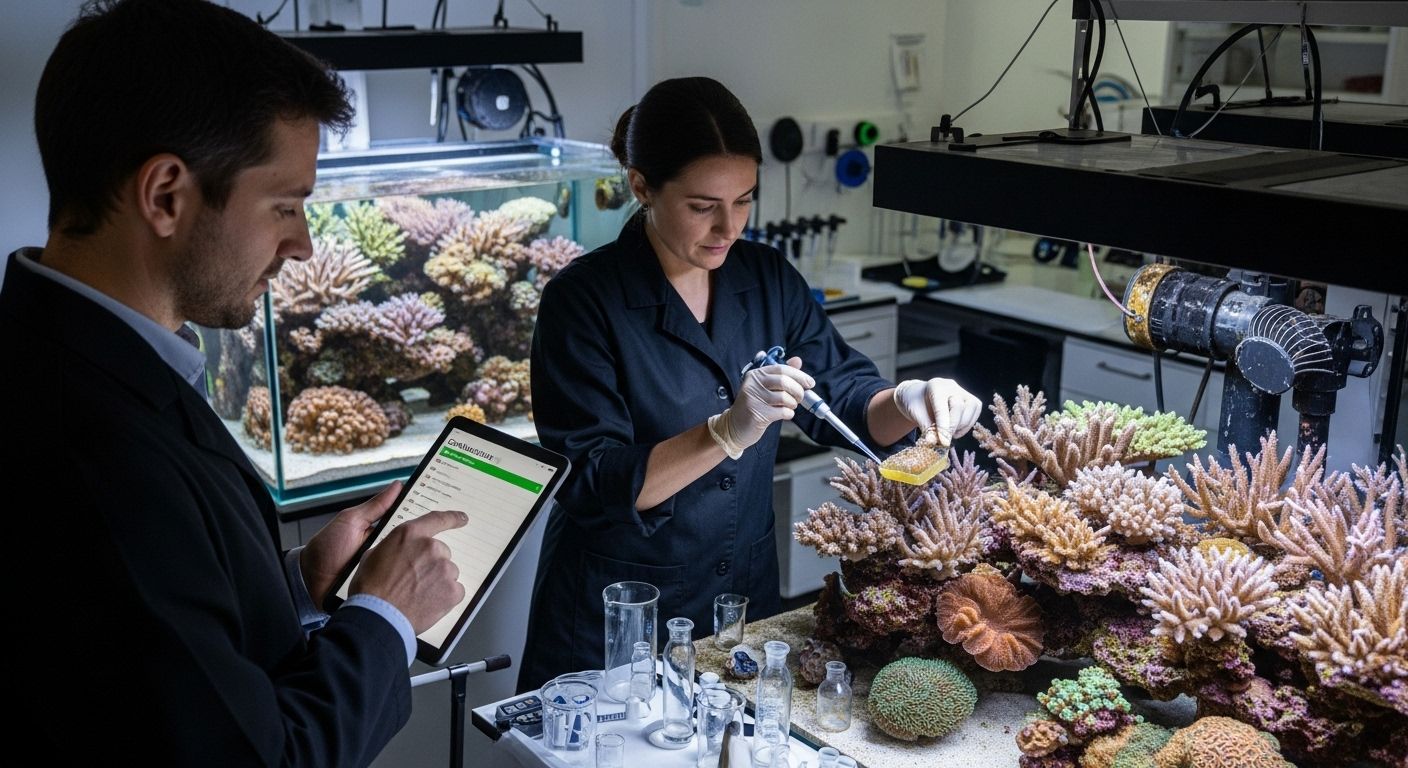
Coral nutrition holds the key to thriving underwater worlds and dazzling reef tanks. Here is something most people miss. Over 90 percent of a coral’s energy can come directly from the photosynthesis performed by its symbiotic algae partners. You might think feeding your corals is just about dropping in some food or keeping the water clean, but the real secret is unlocking a delicate balance of nutrients and conditions that can make or break an entire marine ecosystem.
Table of Contents
Quick Summary
Takeaway | Explanation |
Corals rely on multiple nutrient sources | Understanding that corals get nutrients from both photosynthesis and direct consumption is key to their health. |
Tailor feeding strategies to coral types | Different coral species have unique nutritional needs; adapt feeding approaches accordingly for optimal growth. |
Maintain precise water quality parameters | Monitoring nitrate, phosphate, pH, and salinity is vital for coral nutrition and overall ecosystem health. |
Adjust feeding frequency based on species | Heterotrophic corals need more frequent feeding compared to photosynthetic ones; pay attention to individual requirements. |
Monitor coral health through visual and quantitative metrics | Observing polyp behavior, coloration, and measuring growth rates can indicate coral well-being and guide care strategies. |
1: Understanding Coral Nutritional Needs
Coral nutrition represents a complex and delicate ecosystem balance that requires precise understanding and strategic management. Marine scientists recognize that corals are not just passive organisms but sophisticated symbiotic systems dependent on multiple nutritional sources. Nutrition fundamentally determines coral health, growth, and resilience.
Corals obtain nutrients through two primary mechanisms: photosynthesis from symbiotic algae and direct consumption of marine microorganisms. The zooxanthellae living within coral tissues convert sunlight into essential nutrients, while simultaneously consuming particulate organic matter from the surrounding water. This intricate nutritional strategy allows corals to thrive in nutrient-limited marine environments.
Key nutritional components critical for coral survival include:
Proteins that support cellular structure and repair
Lipids essential for energy storage and membrane development
Carbohydrates facilitating metabolic processes
Micronutrients like nitrogen and phosphorus supporting biochemical reactions
Understanding these nutritional dynamics becomes crucial for aquarium enthusiasts and marine conservationists. Discover the intricate energy relationships in marine ecosystems to gain deeper insights into how nutritional networks sustain marine life.
The complexity of coral nutrition means that maintaining optimal nutritional conditions requires careful monitoring and strategic supplementation. Factors like water temperature, light exposure, and particulate matter concentration dramatically influence nutrient absorption and metabolic efficiency. Successful coral nutrition management demands a holistic approach that mimics natural marine ecosystem dynamics.
2: Essential Nutrients for Corals
Coral nutrition demands a sophisticated approach that goes far beyond simple feeding strategies. Marine biologists recognize multiple critical nutrient categories that support coral health and growth. These nutrients play fundamental roles in cellular processes, skeletal development, and overall ecosystem sustainability.
The primary nutrient groups essential for coral vitality include:
Proteins for cellular repair and structural maintenance
Lipids supporting energy storage and membrane function
Trace minerals like calcium and magnesium for skeletal formation
Micronutrients enabling complex biochemical reactions
Microorganisms play a pivotal role in delivering these nutrients. Zooplankton like copepods represent a crucial nutritional source, providing live, bioactive particles that corals can readily absorb. These microscopic organisms carry concentrated protein packages and essential fatty acids that stimulate coral growth and immune responses.
Learn strategies for maintaining marine microorganism populations to understand how these tiny creatures support entire marine ecosystems. Phosphorus and nitrogen emerge as particularly significant nutrients, driving metabolic processes and supporting symbiotic relationships between corals and their resident microorganisms.
Successful coral nutrition requires understanding the intricate balance of these nutrients. Water chemistry, temperature, light exposure, and particulate matter concentration all interact to influence nutrient absorption and metabolic efficiency. Aquarium enthusiasts must approach coral feeding as a precision science, carefully mimicking natural marine environment conditions to support robust, healthy coral development.
3: Best Foods for Different Coral Types
Coral nutrition is not a one-size-fits-all approach. Different coral species require specialized feeding strategies tailored to their unique physiological characteristics and environmental adaptations. Understanding these nuanced nutritional requirements becomes critical for maintaining robust and healthy marine ecosystems.
Key food categories for diverse coral types include:
Live zooplankton for heterotrophic species
Marine phytoplankton for photosynthetic corals
Specialized protein-rich microorganisms
Organic particulate matter supporting metabolic processes
Soft corals typically demand different nutritional inputs compared to hard corals. They often rely more heavily on direct particulate feeding, absorbing nutrients through their delicate tissues. Hard corals, by contrast, leverage a symbiotic relationship with zooxanthellae while supplementing their diet with marine microorganisms.
Explore the intricate dynamics of marine food webs to better understand how nutritional pathways support coral survival. Research indicates that non-photosynthetic coral species require more frequent and diverse feeding regimens, often necessitating targeted supplementation with live marine microorganisms like copepods and rotifers.
Water quality, temperature, and light conditions dramatically influence nutrient absorption. Aquarium enthusiasts must meticulously monitor these parameters, recognizing that each coral species represents a unique nutritional ecosystem. Successful coral nutrition demands continuous learning, observation, and adaptation to the specific needs of individual coral varieties.
4: Dosage Guidelines for Coral Feeding
Precision in coral feeding represents the difference between thriving and struggling marine ecosystems. Aquarium enthusiasts must approach nutritional supplementation with scientific rigor, understanding that overfeeding can be as detrimental as underfeeding.
Key considerations for establishing feeding protocols include:
Frequency of feeding based on coral species
Volume of nutritional supplements
Time of day for optimal nutrient absorption
Individual coral metabolism and environmental conditions
Recommended feeding frequencies vary significantly across different coral types. Photosynthetic corals typically require less frequent supplementation, while heterotrophic species demand more consistent nutritional input. Most marine experts suggest feeding corals two to three times per week, carefully monitoring their response and adjusting quantities accordingly.
Discover advanced strategies for marine nutrition management to optimize your coral feeding approach. Timing plays a critical role in nutrient absorption. Research indicates that feeding during peak digestive enzyme activity periods maximizes nutritional uptake and supports robust coral growth.
Quantitative precision matters. A general guideline suggests providing an amount of food that can be consumed within 30 minutes, preventing excess organic matter from decomposing and potentially compromising water quality. Water parameters such as temperature, salinity, and pH directly influence nutrient absorption, making careful observation and incremental adjustments essential for maintaining a healthy marine environment.
5: Assessing Water Quality for Optimal Nutrition
Water quality represents the fundamental foundation of coral health and nutritional success. Marine ecosystems demand precise environmental conditions that directly influence nutrient absorption, metabolic processes, and overall coral vitality.
Critical water parameters essential for monitoring include:
Nitrate and phosphate concentration levels
pH balance and stability
Salinity measurements
Dissolved oxygen content
Nutrient loading emerges as a significant challenge in maintaining optimal marine environments. Excess nutrients can trigger catastrophic ecological responses, including harmful algal blooms that suffocate coral systems and disrupt intricate nutritional networks. Explore the complex interactions within marine ecosystems to understand these delicate environmental relationships.
According to scientific research from marine ecology experts, elevated nutrient levels can dramatically reduce coral coverage and resilience. Aquarium enthusiasts must employ sophisticated monitoring techniques, utilizing precision testing equipment to track minute changes in water chemistry.
Successful water quality management requires consistent, systematic testing and proactive intervention. Temperature, turbidity, and chemical composition interact in complex ways that directly impact coral nutrition. Implementing a comprehensive water quality assessment protocol involves regular testing, detailed record-keeping, and immediate corrective actions when parameters deviate from optimal ranges. By maintaining a stable, nutrient-balanced marine environment, coral enthusiasts can support robust growth and long-term ecosystem health.
6: Monitoring Coral Health and Growth
Coral health monitoring represents a sophisticated scientific process that requires systematic observation and precise measurement techniques. Aquarium enthusiasts must develop comprehensive strategies to track subtle changes in coral physiological conditions and growth patterns.
Key indicators of coral health include:
Polyp extension and retraction patterns
Coloration consistency and vibrancy
Skeletal density and structural integrity
Tissue regeneration speed
Visual assessment provides critical initial insights into coral wellness. Consistent documentation through photography and detailed journaling allows marine caretakers to track incremental changes over time. Variations in coral coloration often signal underlying nutritional or environmental stress, making color a crucial diagnostic tool.
Explore advanced marine ecosystem dynamics to understand the intricate relationships governing coral development. Quantitative measurements such as linear extension rates, biomass accumulation, and zooxanthellae density offer scientific precision in evaluating coral health.
Successful monitoring requires establishing baseline measurements and implementing regular assessment protocols. Digital technologies and specialized marine biology tools now enable more accurate tracking of coral growth and metabolic processes. By combining visual observation with scientific measurement techniques, aquarium managers can develop proactive strategies that support robust coral development and long-term ecosystem sustainability.
7: Advanced Feeding Techniques for Experienced Reefers
Precision nutrition transforms coral husbandry from basic maintenance to sophisticated marine ecosystem management. Experienced reefers understand that advanced feeding techniques require scientific methodology and nuanced understanding of marine biological processes.
Key advanced feeding strategies include:
Pulsed nutrient dosing techniques
Targeted microorganism supplementation
Specialized live feed enrichment protocols
Timed nutritional interventions matching natural reef cycles
Broadcast feeding represents a fundamental yet sophisticated approach to coral nutrition. By carefully timing and measuring nutrient delivery, marine aquarium specialists can simulate natural marine environment conditions. Explore intricate marine ecosystem energy dynamics to understand the complex nutritional interactions supporting coral development.
Research indicates that precision dosing significantly enhances coral growth and metabolic efficiency. Experienced reefers leverage advanced techniques like synchronizing feeding windows with peak zooxanthellae photosynthetic activity and using live microorganisms enriched with specific nutritional profiles. These methods go beyond traditional feeding approaches, creating a dynamic nutritional environment that closely mimics natural reef ecosystems.
Successful advanced feeding requires continuous learning, systematic observation, and willingness to adapt protocols based on individual coral species responses. By developing a deep understanding of marine nutritional science, reefers can transform their aquariums into thriving, balanced marine microcosms that demonstrate the remarkable potential of sophisticated coral husbandry techniques.
Below is a comprehensive table summarizing the 7 essential tips and key information for optimizing coral nutrition, as discussed throughout the article.
Area of Focus | Key Points | Benefits/Outcomes |
Understanding Coral Nutritional Needs | Corals rely on both photosynthesis (via algae) and direct consumption of marine microorganisms. | Dictates coral health, growth, and ecosystem balance |
Essential Nutrients for Corals | Requires proteins, lipids, carbohydrates, trace minerals (e.g., calcium, magnesium), and micronutrients (nitrogen, phosphorus). | Supports cellular repair, growth, and resilience |
Best Foods for Different Coral Types | Nutritional needs differ—soft vs. hard corals, photosynthetic vs. heterotrophic species; includes live zooplankton, phytoplankton, and particulates. | Robust health for diverse coral species |
Dosage Guidelines for Coral Feeding | Feed 2-3 times per week; adjust frequency, timing, and quantity by species and coral response; prevent over/underfeeding. | Maximizes nutrient uptake, avoids water issues |
Assessing Water Quality for Optimal Nutrition | Monitor nitrate, phosphate, pH, salinity, and oxygen; excess nutrients lead to algal blooms and coral decline; consistent, precise testing required. | Stable environment, better nutrient absorption |
Monitoring Coral Health and Growth | Track polyp behavior, coloration, skeletal density, and growth; use visual checks and quantitative measures to assess well-being. | Early detection and correction of issues |
Advanced Feeding Techniques | Use pulsed dosing, live organism enrichment, and timed feedings to mimic natural reef cycles; refine strategies for experienced reefers. | Enhanced growth and metabolic efficiency |
Transform Your Coral Nutrition Checklist into Real Results
Are you struggling to deliver precise nutrition and maintain water quality for your corals despite following every essential tip in your checklist? The article highlighted the importance of live feed such as copepods and phytoplankton, plus the challenge of mimicking nature’s nutrient balance while avoiding overfeeding or missing critical micronutrients. Maintaining this balance can feel overwhelming if you lack access to reliable, science-backed nutrition sources.
Unlock easy solutions with our Live Phytoplankton blends and Single Species Copepods. These products are fresh, highly concentrated, and help you deliver complete nutrition just like in the wild.
If you want to see stronger coral growth, vibrant color, and a healthier ecosystem, act now. Explore the full range at PodDrop and discover how effortless it can be to check every box on your coral nutrition checklist. Give your reef the best chance to thrive today.
Frequently Asked Questions
What nutrients are essential for coral health?
Coral health relies on proteins, lipids, carbohydrates, trace minerals like calcium and magnesium, and micronutrients such as nitrogen and phosphorus. These components support cellular processes, skeletal development, and overall vitality.
How often should corals be fed in an aquarium?
Feeding frequency varies by coral type. Photosynthetic corals may need feeding 2-3 times per week, while heterotrophic species require more frequent feeding. Monitoring the corals’ response can help adjust the schedule.
What role do microorganisms play in coral nutrition?
Microorganisms, especially zooplankton like copepods, are vital nutritional sources for corals. They provide concentrated protein packages and essential fatty acids that stimulate growth and immune responses in corals.
How can I assess water quality for optimal coral nutrition?
Key water parameters to monitor include nitrate and phosphate levels, pH balance, salinity, and dissolved oxygen content. Regular testing can help ensure a stable environment that supports coral health and nutrient absorption.
Recommended
Comments