


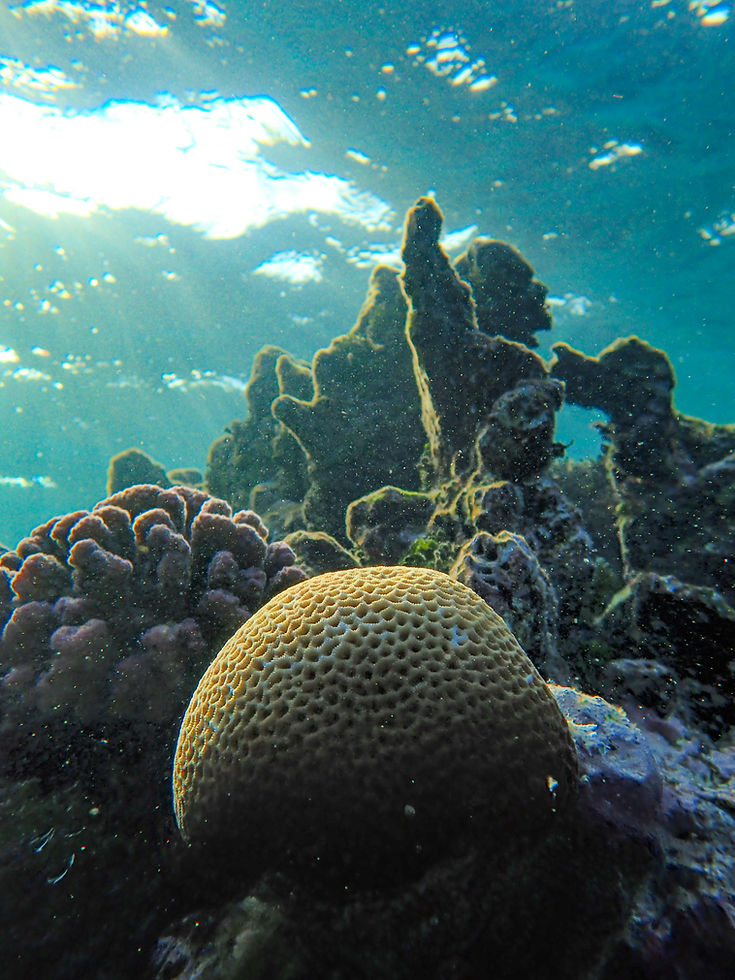
Sustainable Reef Nutrition: How Copepods Support Coral Growth
- fabianbehague
- Sep 28
- 8 min read
Updated: Oct 7
Discover how live copepods provide essential nutrition for coral growth and reef ecosystem health. Learn about sustainable feeding practices that promote vibrant, thriving marine aquariums through natural zooplankton nutrition.
The Foundation of Reef Ecosystem Health
Marine reef ecosystems represent some of the most complex and interconnected biological communities on Earth. At the heart of these thriving environments lies a delicate balance between producers, consumers, and decomposers that work together to maintain optimal conditions for coral growth and development. Understanding this intricate web of relationships is crucial for anyone seeking to replicate these conditions in captive reef environments.
Copepods serve as a critical link in the marine food web. They function as both primary and secondary consumers while providing essential nutrition to countless reef organisms. These microscopic crustaceans have evolved over millions of years to efficiently convert phytoplankton and organic matter into highly digestible protein sources. This process fuels coral polyp growth, fish development, and overall ecosystem vitality.
The sustainability of reef nutrition depends heavily on maintaining natural feeding relationships that mirror wild reef environments. By incorporating live copepods into reef aquarium systems, aquarists can establish self-sustaining food webs. This reduces reliance on artificial feeds while promoting more natural feeding behaviors and improved organism health.
Understanding Copepod Biology and Nutritional Value
Copepods represent one of the most abundant animal groups in marine environments, with thousands of species adapted to various ecological niches. Their exceptional nutritional profile makes them invaluable for supporting coral growth and maintaining healthy reef ecosystems. These tiny crustaceans contain high levels of essential amino acids, omega-3 fatty acids, and vital nutrients that directly contribute to coral tissue development and coloration.
The protein content of copepods typically ranges from 40 to 60 percent of their dry weight. This provides corals with the building blocks necessary for tissue repair, growth, and reproduction. Additionally, copepods contain significant amounts of highly unsaturated fatty acids, particularly EPA and DHA. These fatty acids play crucial roles in coral membrane function and stress resistance.
Key Copepod Species for Reef Nutrition
Tisbe biminiensis: Small, hardy species ideal for feeding small polyp corals and juvenile fish.
Apocyclops panamensis: Medium-sized copepods perfect for larger coral species and adult fish.
Tigriopus californicus: Robust, nutrient-dense copepods excellent for challenging reef conditions.
Tigriopus sirindhornae: Tropical species well-suited for warm water reef systems.
Each copepod species offers unique nutritional benefits and feeding characteristics. Understanding these differences allows reef keepers to select the most appropriate copepod cultures for their specific needs and goals.
The Science Behind Coral Feeding and Nutrition
Coral feeding represents a fascinating intersection of biology, chemistry, and ecology that directly impacts reef health and sustainability. While many people associate corals primarily with photosynthesis through their symbiotic zooxanthellae, heterotrophic feeding plays an equally important role in coral nutrition and growth.
Research has demonstrated that corals obtain 30 to 60 percent of their nutritional requirements through active feeding on zooplankton. Copepods represent a preferred food source due to their optimal size, nutritional content, and digestibility. The feeding process involves complex mechanisms including tentacle capture, ciliary feeding, and direct absorption of dissolved organic compounds.
When corals consume copepods, they gain access to essential nutrients that cannot be produced through photosynthesis alone. These include specific amino acids required for protein synthesis, trace elements necessary for enzyme function, and lipids that support membrane integrity and energy storage. The balanced nutritional profile of copepods closely matches the dietary requirements of most coral species.
Nutritional Components Critical for Coral Growth
The nutritional value of copepods extends far beyond basic protein content. These organisms contain a complex array of bioactive compounds that directly support coral health and growth. Understanding these components helps explain why copepods are so effective at promoting vibrant coral development in both natural and captive environments.
Amino acid profiles in copepods closely match the requirements of coral tissues. This provides optimal ratios of essential and non-essential amino acids. This balanced composition supports efficient protein synthesis and reduces metabolic stress on coral organisms. Additionally, copepods contain significant levels of taurine, an amino acid that plays important roles in osmoregulation and cellular protection.
The lipid fraction of copepods includes not only energy-rich triglycerides but also phospholipids and sterols. These compounds support cellular membrane function. They are particularly important for coral reproduction and stress tolerance, as they contribute to the production of reproductive cells and help maintain cellular integrity under challenging conditions.
Establishing Sustainable Copepod Populations
Creating self-sustaining copepod populations within reef aquarium systems requires careful attention to environmental conditions, food sources, and population dynamics. Successful copepod cultivation depends on understanding the life cycles, reproductive requirements, and ecological needs of different species.
Temperature management plays a crucial role in copepod reproduction and survival. Most marine copepod species thrive in temperatures between 72 and 78 degrees Fahrenheit. Maintaining stable temperatures within this range promotes consistent reproduction and population growth.
Water quality parameters significantly impact copepod health and reproductive success. Optimal conditions include stable salinity levels between 32 and 35 parts per thousand, pH values between 8.0 and 8.4, and minimal levels of ammonia, nitrite, and nitrate. Regular water testing and maintenance help ensure conditions remain suitable for copepod populations.
Feeding Copepod Cultures
Sustainable copepod populations require consistent access to high-quality food sources that support reproduction and population growth. Phytoplankton represents the primary food source for most copepod species. Different algae strains provide varying nutritional benefits and growth rates.
Essential Phytoplankton Species for Copepod Nutrition:
Nannochloropsis: High protein content and excellent omega-3 fatty acid profile.
Isochrysis: Rich in DHA and ideal for supporting copepod reproduction.
Rhodomonas: Provides essential pigments and balanced nutrition.
Tetraselmis: Large cell size suitable for feeding larger copepod species.
Feeding schedules and quantities must be carefully managed to prevent overfeeding while ensuring adequate nutrition for population growth. Most copepod cultures benefit from small, frequent feedings rather than large, infrequent meals. This approach helps maintain water quality while providing consistent nutrition for developing copepods.
Optimizing Coral Response to Copepod Feeding
Maximizing the benefits of copepod feeding requires understanding how different coral species respond to various feeding strategies and copepod types. Feeding frequency, copepod density, and timing all influence the effectiveness of copepod nutrition in promoting coral growth and health.
Small polyp stony corals typically respond well to frequent feeding with smaller copepod species. In contrast, large polyp corals may benefit more from less frequent feeding with larger copepods. Understanding these preferences allows reef keepers to tailor their feeding programs to the specific needs of their coral collections.
Feeding timing can significantly impact coral response to copepod nutrition. Many coral species exhibit increased feeding activity during evening hours when their polyps extend more fully. Coordinating copepod feeding with natural coral behavior patterns can improve feeding efficiency and nutritional uptake.
Monitoring Coral Health and Growth Response
Tracking coral response to copepod feeding requires careful observation of multiple health indicators. These include polyp extension, coloration, tissue condition, and growth rates. Healthy corals fed adequate copepod nutrition typically display vibrant colors, full polyp extension, and steady growth rates.
Color enhancement often represents one of the first visible improvements when corals receive adequate copepod nutrition. The carotenoids and other pigments present in copepods can enhance coral coloration while supporting photosynthetic efficiency. This improvement typically becomes apparent within several weeks of consistent copepod feeding.
Growth rate monitoring provides valuable insight into the effectiveness of copepod feeding programs. Corals receiving optimal nutrition through copepod feeding often exhibit faster skeletal growth, increased tissue thickness, and improved reproductive success compared to corals fed exclusively artificial diets.
Integrating Copepods with Reef Ecosystem Management
Successful reef aquarium management requires integrating copepod nutrition with other aspects of ecosystem health. This includes water quality, lighting, flow patterns, and biological diversity. Copepods contribute to multiple aspects of reef health beyond direct coral nutrition.
Water quality improvements often result from establishing healthy copepod populations within reef systems. Copepods consume bacteria, detritus, and other organic matter that can contribute to water quality problems. This natural filtration helps maintain cleaner water conditions while reducing the need for mechanical and chemical filtration.
Biological diversity increases significantly when copepod populations are established within reef systems. These organisms serve as food sources for fish, invertebrates, and corals while supporting the growth of beneficial bacteria and other microorganisms. This increased diversity contributes to overall system stability and resilience.
Balancing Predation and Population Maintenance
Managing copepod populations in reef aquariums requires balancing predation pressure with reproduction rates to maintain sustainable populations. Fish and invertebrates will naturally consume copepods, providing beneficial nutrition while potentially reducing copepod numbers.
Refugium systems offer an effective solution for maintaining copepod populations while allowing controlled predation in display tanks. These separate cultivation areas provide safe spaces for copepod reproduction while allowing regular harvesting for feeding purposes.
Population supplementation may be necessary to maintain adequate copepod densities in systems with high predation pressure. Regular additions of cultured copepods help ensure consistent nutrition availability while supporting natural feeding behaviors in reef organisms.
Advanced Copepod Cultivation Techniques
Sophisticated copepod cultivation methods can significantly improve production efficiency and nutritional quality while reducing maintenance requirements. These techniques involve optimizing environmental conditions, nutrition, and harvesting methods to maximize copepod health and reproduction.
Multi-species cultivation approaches can provide more diverse nutrition while improving system stability through ecological redundancy. Different copepod species occupy slightly different ecological niches, allowing multiple species to coexist while providing varied nutritional profiles for reef organisms.
Selective breeding programs can enhance specific characteristics in copepod cultures. These include size, nutritional content, reproduction rates, and environmental tolerance. These improvements can result in more effective reef nutrition while reducing cultivation challenges.
Nutritional Enhancement Strategies
Gut-loading techniques can significantly improve the nutritional value of copepods by feeding them specialized diets before harvest. This process involves providing copepods with nutrient-rich foods that become incorporated into their tissues. This effectively delivers enhanced nutrition to coral organisms.
Vitamin and mineral supplementation of copepod cultures can address specific nutritional deficiencies while supporting optimal coral health. Careful supplementation with vitamins A, C, and E, along with essential minerals, can improve the overall nutritional profile of cultured copepods.
Probiotic enrichment represents an emerging technique for improving copepod nutritional value while supporting coral immune function. Beneficial bacteria cultures can be incorporated into copepod diets, resulting in improved digestive health and disease resistance in coral organisms.
Troubleshooting Common Copepod Cultivation Challenges
Successful copepod cultivation requires addressing various challenges that can impact population health and productivity. Understanding common problems and their solutions helps ensure consistent copepod production for reef nutrition needs.
Population crashes often result from water quality issues, overfeeding, or contamination problems. Identifying the underlying causes requires systematic evaluation of environmental conditions, feeding practices, and potential contamination sources. Prevention strategies focus on maintaining stable conditions and implementing proper hygiene protocols.
Reproduction failures can stem from nutritional deficiencies, environmental stress, or genetic factors. Addressing these issues involves optimizing feeding programs, stabilizing environmental conditions, and potentially introducing new genetic material to improve population vigor.
Quality Control and Population Health
Regular health assessments help identify potential problems before they impact copepod populations or coral nutrition quality. Visual inspection, microscopic examination, and behavioral observation provide valuable insights into population health and productivity.
Contamination prevention requires implementing strict hygiene protocols and quarantine procedures for new cultures or equipment. These measures help prevent the introduction of pathogens, parasites, or competing organisms that could disrupt copepod populations.
Genetic diversity maintenance becomes important for long-term copepod cultivation success. Periodic introduction of new genetic material helps prevent inbreeding depression while maintaining population vigor and adaptability.
Future Directions in Sustainable Reef Nutrition
The field of sustainable reef nutrition continues to evolve as researchers and practitioners develop new techniques for optimizing coral health through natural feeding approaches. Emerging technologies and methodologies promise to improve the efficiency and effectiveness of copepod-based nutrition programs.
Automated cultivation systems are being developed to reduce labor requirements while improving consistency in copepod production. These systems incorporate sensors, automated feeding, and environmental control to optimize growing conditions while minimizing human intervention.
Genetic research is providing new insights into copepod biology and nutrition that may lead to improved cultivation techniques and enhanced nutritional profiles. Understanding the genetic basis of important traits allows for more targeted breeding programs and optimization strategies.
The integration of copepod nutrition with other sustainable reef management practices represents a promising direction for improving overall reef health while reducing environmental impact. These holistic approaches consider the interconnected nature of reef ecosystems while promoting natural biological processes.
As our understanding of reef nutrition continues to advance, copepods will likely play an increasingly important role in sustainable aquaculture and reef conservation efforts. Their exceptional nutritional value, ecological benefits, and cultivation potential make them invaluable tools for supporting healthy coral growth and vibrant reef ecosystems.
The commitment to sustainable reef nutrition through copepod cultivation represents more than just a feeding strategy—it embodies a philosophy of working with natural processes to create thriving marine environments that benefit both captive and wild reef systems. Through continued research, innovation, and dedication to best practices, the reef keeping community can continue to advance the science and art of sustainable reef nutrition.
For more information on how to integrate copepods into your reef aquarium, check out PodDrop.


Comments